
Escaping the Resort Strip: Where We Ate in Cabo San Lucas
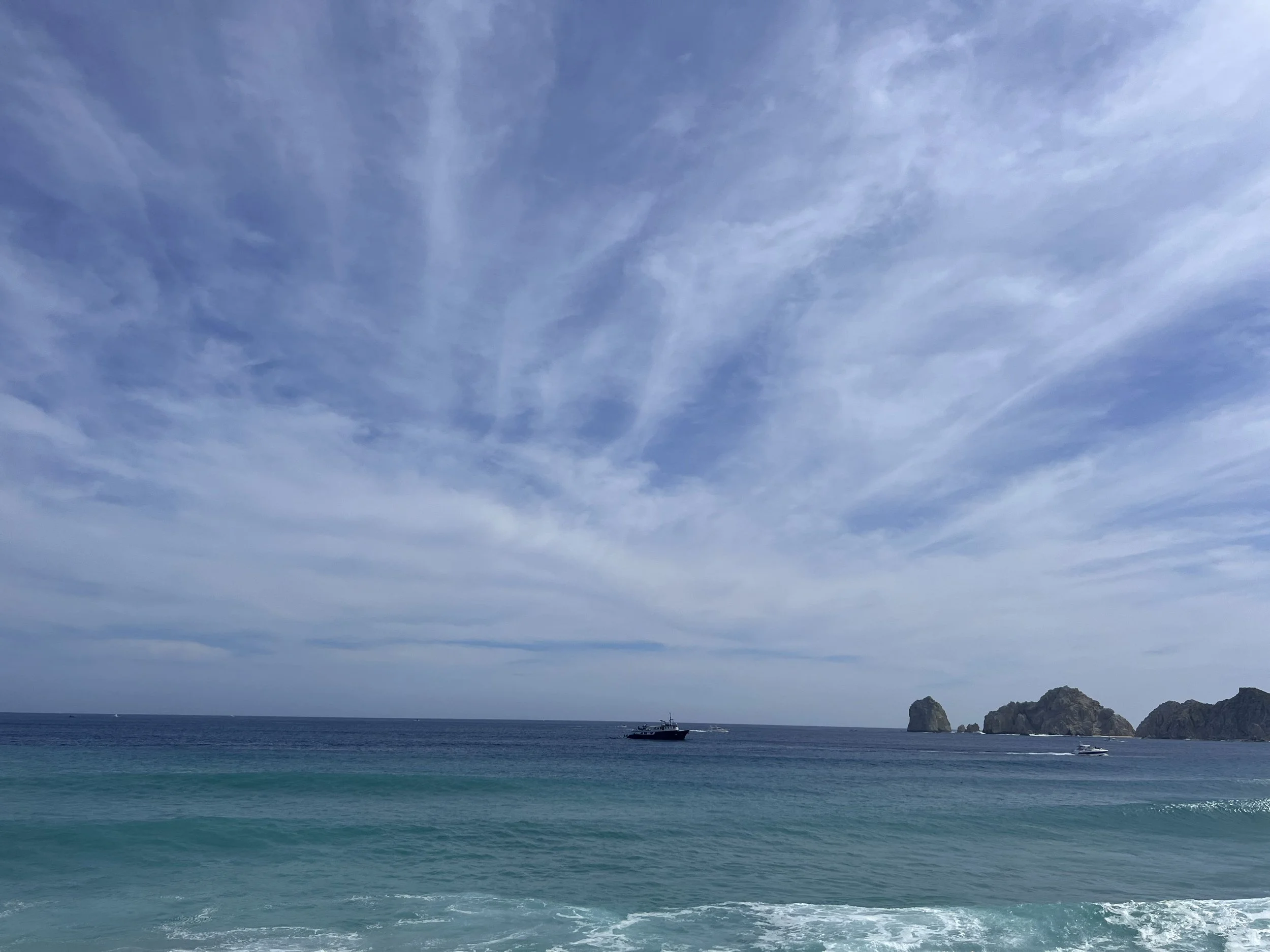
Cabo San Lucas
We recently spent four days in Cabo San Lucas for a friend’s wedding — and if you’ve been to Cabo, you know this isn’t a place with a reputation for conscious travel. Cabo is built for the resort crowd: all-inclusives stacked along the Golden Zone, party and marine life watching boats leaving the marina by the dozens, and a strip of chain bars and pedi-pubs that makes parts of downtown feel more like spring break Florida than Mexico. It’s not somewhere we would normally go on our own. But weddings are weddings, and we wanted to make the most of it.
So we did what we usually do when a trip takes us somewhere touristy: we got out of the tourist area. We skipped the resort restaurants, skipped the sunset cruises, skipped the beach clubs charging $60 for a bucket of beers. Instead, we walked a few blocks inland from the Marina, found the places where the locals eat, and spent time there.
Here’s the spot that made the trip — and a few other notes on finding the real Cabo underneath the resort zone.
1. Mariscos Las Tres Islas
Address: Revolución de 1910, between Leona Vicario & Narciso Mendoza, Downtown Cabo
Overall Experience: 10/10
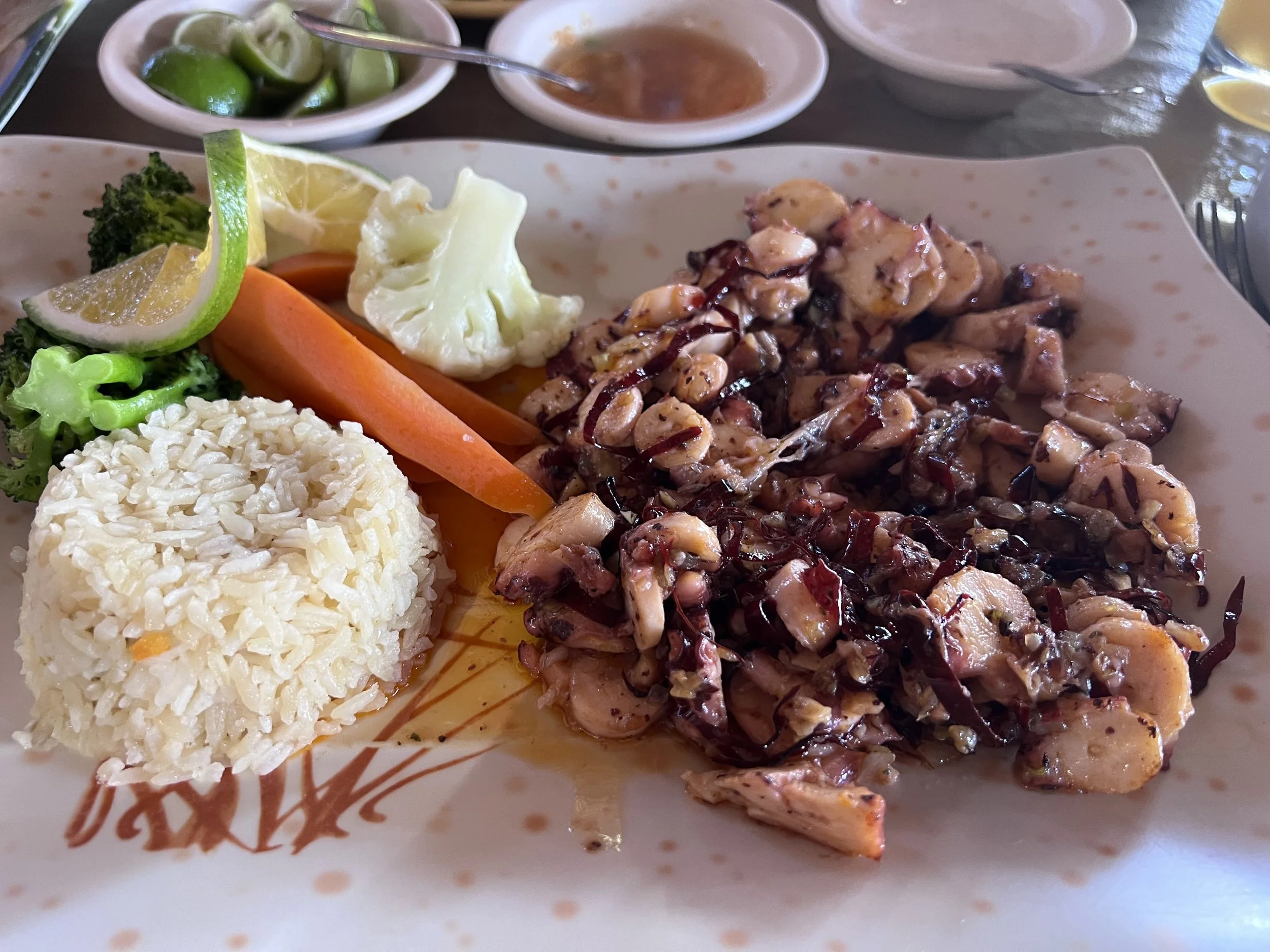
Pulpo al Ajillo
If you only eat at one place in Cabo, make it this one. Mariscos Las Tres Islas is a family-run seafood restaurant a few blocks off the Marina on Revolución — far enough inland that the tourist crowds haven’t really found it, close enough that you can walk there from almost anywhere downtown. Walk in and you’ll notice right away that the room is full of Cabeños, not cruise-ship day-trippers. The style is Mazatleco — seafood cooking from the Sinaloa tradition — and everything comes out fresh, generous, and served without fuss.
We started with a round from the raw bar: fresh Pacific oysters and a whole chocolate clam (almeja chocolata, native to the Sea of Cortez) served on the half shell with red chile, lime, and a little salt. If you haven’t had chocolate clams before, they’re one of Baja’s best raw offerings — cleaner and sweeter than most Atlantic clams, and hard to find fresh outside the peninsula.
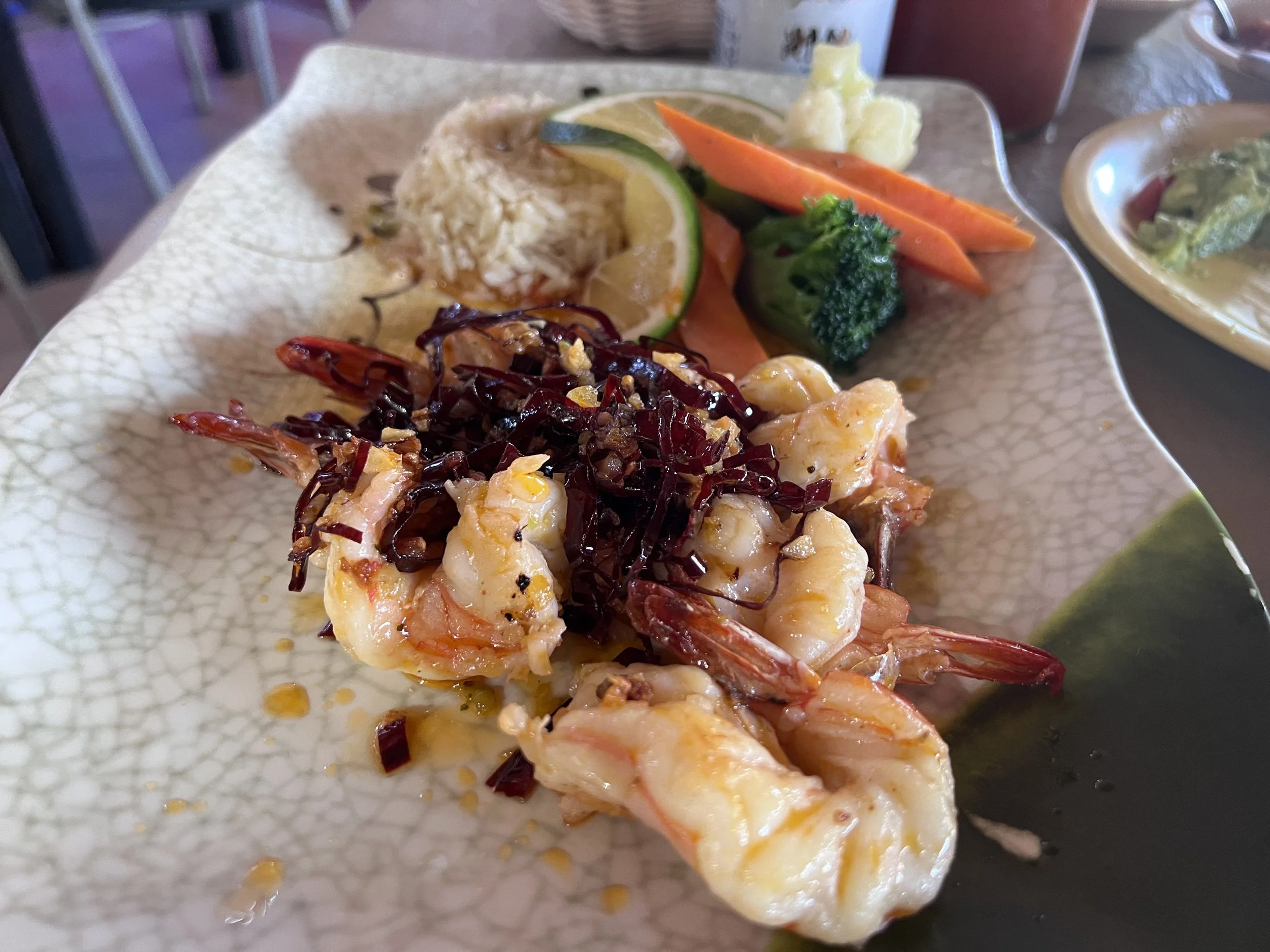
Camarones al ajillo
For mains we ordered the pulpo al ajillo (octopus slow-cooked with garlic, served with rice and steamed vegetables) and the camarones al ajillo (giant shrimp seared in garlic butter and topped with crispy threads of dried chile de árbol). Both were exactly what they needed to be — the octopus tender with real garlic depth, the shrimp sweet and butter-soaked with a slow burn from the chile threads that creeps up on you about three bites in.
The menu also has a full ceviche selection, a much-talked-about crab tostada, grilled fish to order, fresh aguachile, and a plate of house salsas that arrives before you’ve ordered anything. The horchata is homemade, the staff are friendly, and prices are a fraction of what you’d pay a few blocks away on the Marina.
If you want to understand what Cabo actually tastes like when it’s cooking for locals, this is where you go.
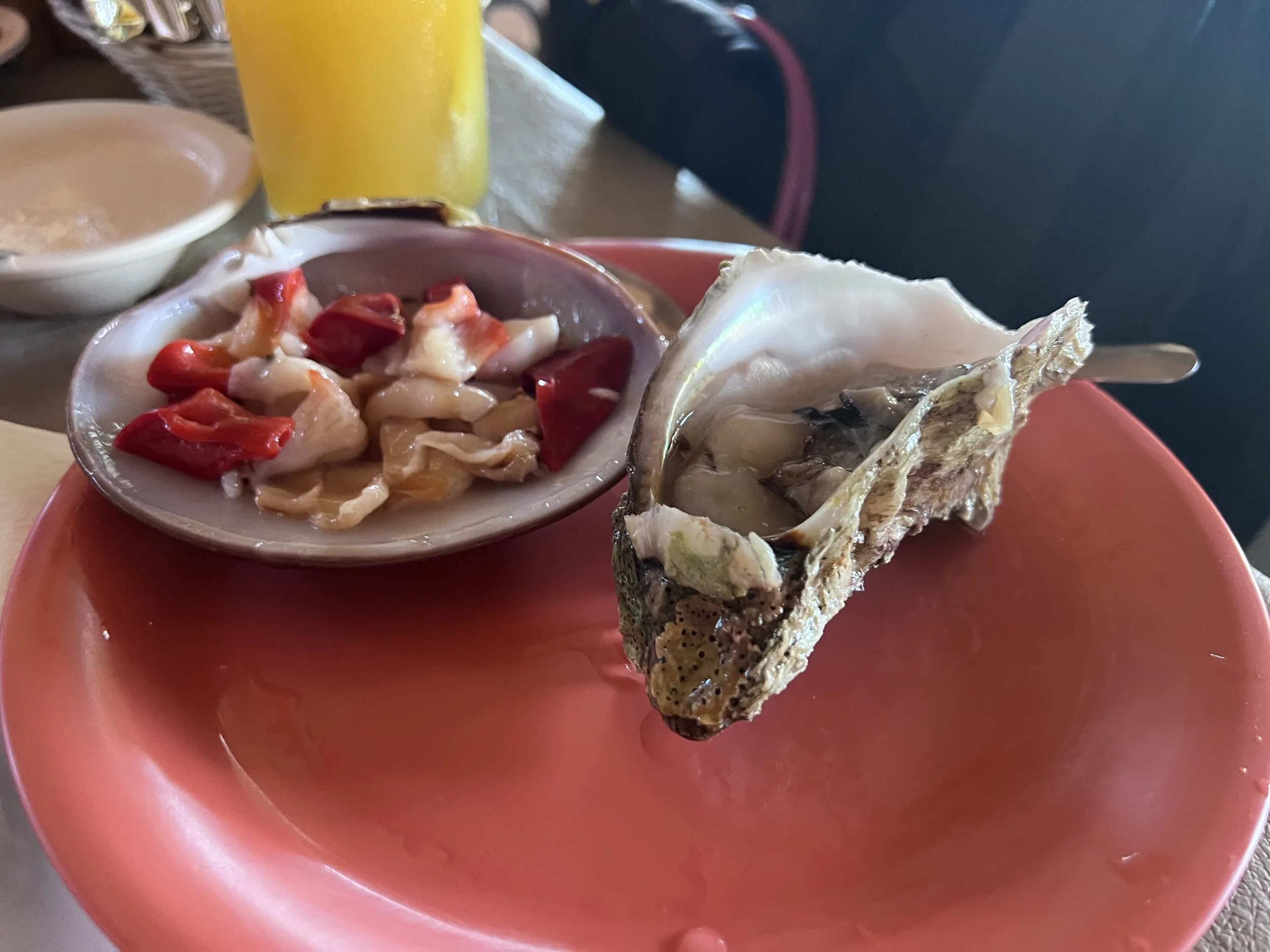
Ceviche de Concha y Ostras
2. The Real Cabo, A Few Blocks Inland
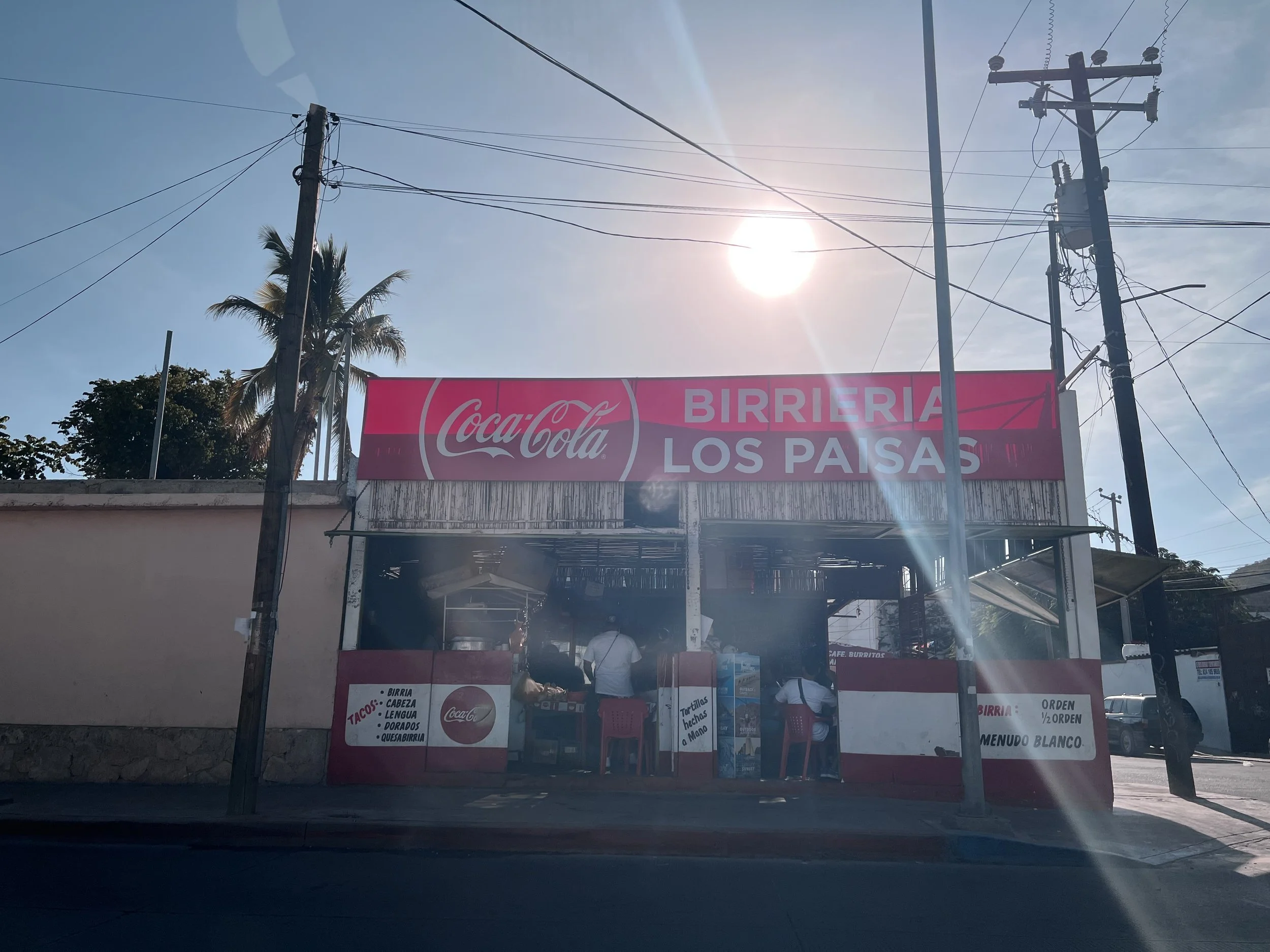
Once you cross a couple of blocks away from the Marina, the city starts to look like an actual Mexican town. Small birrierías with hand-painted Coca-Cola signs. Tortillerías with stacks of fresh tortillas cooling on the counter. Carnicerías, fruterías, little open-front kitchens serving menudo blanco in the morning and birria tacos at lunch.
Birriería Los Paisas is a good example — a tiny family spot with a menu board of birria, cabeza, lengua, dorados, quesabirria, and menudo. The kind of place where a full order of birria with consommé costs less than a single margarita on the Marina. This is the Cabo most tourists never see, because the resort is designed to keep you inside it.
Our advice: walk inland. Go at breakfast, before it gets hot. Let the neighborhood show you what it actually eats.
Local downtown
Cabo gets a bad rap from conscious travelers, and honestly, a lot of it is deserved. The resort strip is designed to keep you inside a bubble where most of the money flows to international chains and outside operators, and very little of it touches the people who actually live here. But Cabo is also a real city of more than 80,000 people with its own working neighborhoods, family-run restaurants, and deep Mazatleco seafood tradition — and all of that sits within a short walk of the Marina, for anyone who’s willing to step outside the Golden Zone.
If you find yourself here for a wedding, a work trip, or a friend’s bachelorette: skip the resort restaurants at least half the time, walk inland, and eat where the locals eat. Tres Islas is the easiest place to start.
Travel further. Eat like a local. Leave the lightest imprint you can.
